
Swimming With the Current: Alibaba
A $295bn megacap at 40–45% of fair value, and the quarter that graded the call. The algorithm reads collapse; the segment breakdown reads pivot.
Britain's industrial revolution ran on coal it owned. The American century ran on petroleum it controlled. China is assembling the first economy whose energy base is electricity it manufactures rather than fuel it extracts – and then selling the capability. Three parts: building the supply stack at home, becoming a fully electrified economy, and exporting the whole stack to the Global South.
The Smil-Rosling synthesis – the analytical engine the series runs on.
The supply side: generation, storage, transmission, nuclear.
The demand side: five migrations, 30% electrification toward 60%.
The stack as a sovereign-grade export to the Global South.
A $295bn megacap at 40–45% of fair value, and the quarter that graded the call. The algorithm reads collapse; the segment breakdown reads pivot.
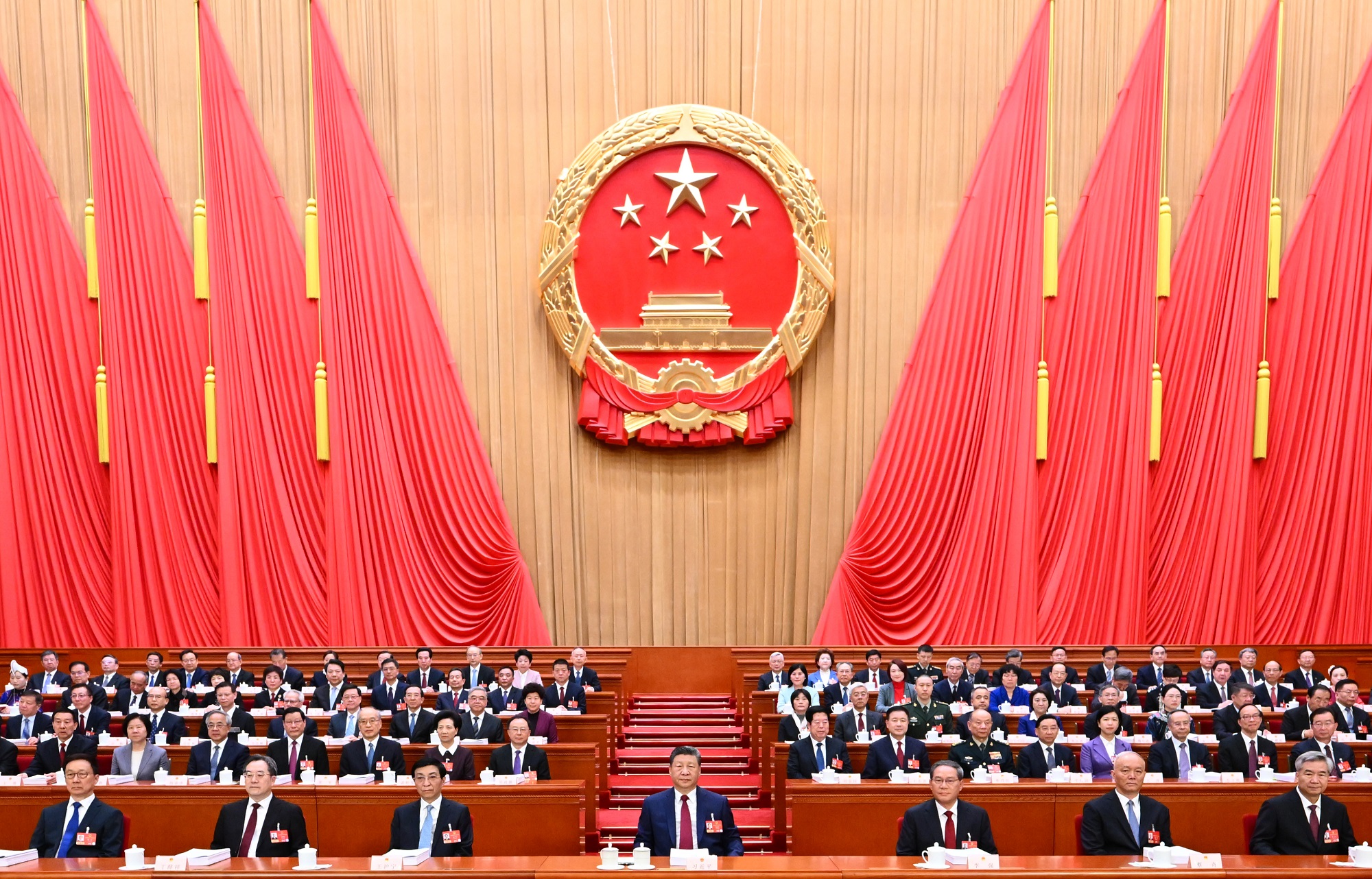
The FYP as deployment order, not speculative bet. Why TFP is China's new organizational scorecard.
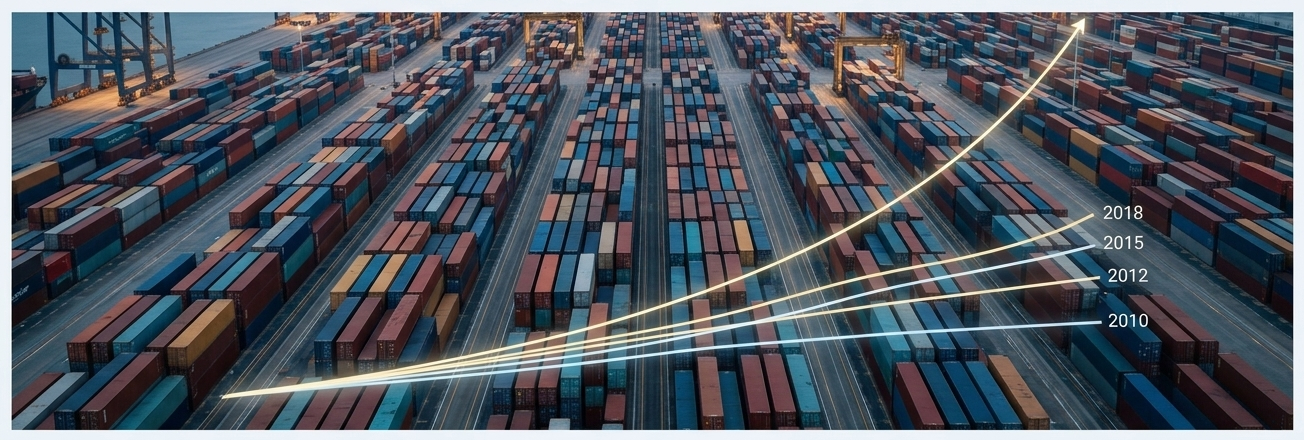
China export consensus misses 2024–2026. The same structural misforecast the IEA made on solar, applied to trade surplus.